Sleep Apnea is so much more than a breathing disorder that occurs at night. Although the loud snoring and fatigue are the most well-known symptoms, studies have recently shown that sleep apnea can be quietly damaging to the brain. There is increasing evidence that sleep apnea can affect memory, intellectual function, emotional regulation, and overall cognitive function. If left untreated, sleep apnea can affect every system in the body.
It is important to understand the impact of sleep apnea on memory and health in order to diagnose and treat the condition effectively.
Can Sleep Apnea Cause Memory Problems?
Yes, sleep apnea can cause memory issues. Studies have shown that sleep apnea impacts memory by interrupting the flow of oxygen to the brain and interfering with the body’s natural sleep cycle. Apnea occurs when the brain temporarily wakes up due to a pause in breathing, which happens dozens or even hundreds of times a night.
Memory consolidation is highly dependent on uninterrupted stages of deep sleep and REM sleep. If these stages are constantly interrupted, the brain will have difficulty in storing and recalling information. Individuals with sleep apnea have complained of forgetting appointments, losing things, and having difficulty in learning new information. For those who are wondering, “Does sleep apnea affect memory?” the answer is a resounding yes.
Can Sleep Apnea Cause Brain Fog?
Brain fog is a symptom of sleep apnea that is often overlooked. Poor oxygen flow and poor sleep patterns cause the brain to work slowly, making it difficult to accomplish everyday tasks. Individuals may have trouble concentrating, thinking clearly, or responding quickly.
This “fog” is more than just being tired. It is a result of lower brain efficiency due to disrupted sleep. Sleep apnea, if left untreated, can cause permanent cognitive impairment instead of just temporary confusion.
What Occurs in the Brain When Sleep Apnea Goes Unattended?
If left untreated, sleep apnea can cause changes in the structure of the brain. Imaging studies have shown that there is damage to the white matter tracts and decreased gray matter volume in the brains of individuals with obstructive sleep apnea. The hippocampus, which is very important in the formation of memories, seems to be particularly affected.
Oxygen deprivation leads to inflammation and oxidative stress in the brain. This is why sleep apnea has been linked to memory, attention, reasoning ability, and emotional control. Sleep apnea has also been shown to increase the risk of dementia and Alzheimer’s disease.
Does Your Brain Recover From Sleep Apnea?
The good thing is that the brain has the ability to recover. With proper treatment of sleep apnea, the negative effects can be slowed down, stopped, or even reversed. Studies show that regular CPAP treatment can reverse the damage to the brain and even improve sleep.
The patients experience improvements in their memory, thinking, mood stability, and alertness within a short period of treatment. This proves that sleep apnea memory loss can be reversed if the intervention occurs early.
What Are the Side Effects of Extreme Sleep Apnea?
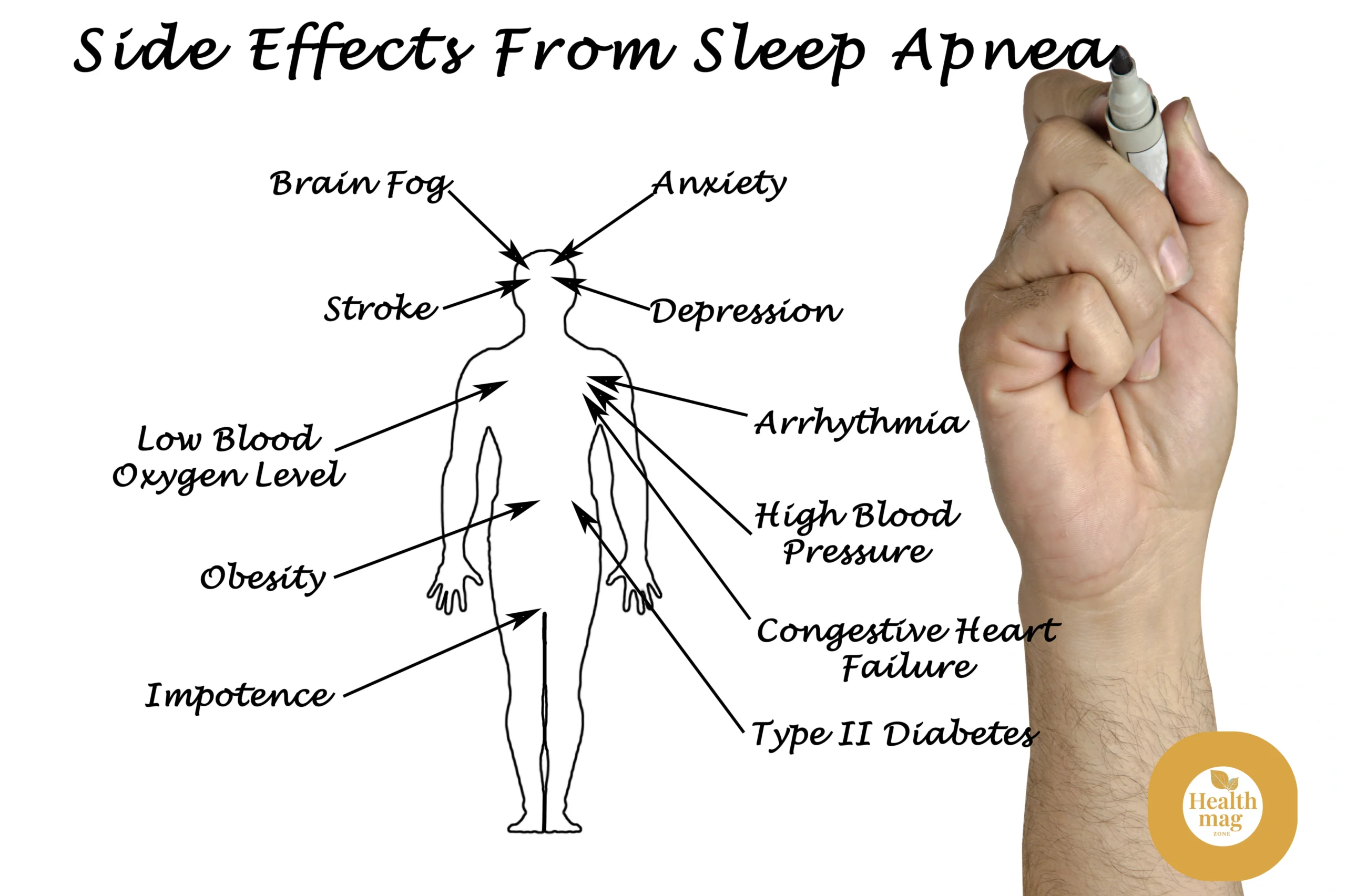
Severe sleep apnea has been known to impact far more than just the quality of sleep. Some of the possible side effects of this condition include excessive daytime sleepiness, slowed reaction times, mood disorders, and severe cardiovascular problems. Some professionals have even compared the intellectual impairment caused by severe sleep apnea to driving under the influence of alcohol.
Severe sleep apnea also raises the risk of accidents at work, traffic accidents, and emergencies during sleep.
What Organs Are Affected by Sleep Apnea?
Sleep apnea impacts almost all the major organs in the body.
The heart is particularly susceptible. Sleep apnea impacts the heart in the following ways: it can lead to an increased risk of heart attacks, arrhythmias, and heart failure. The intermittent loss of oxygen puts a strain on the cardiovascular system.
Sleep apnea impacts blood pressure by causing chronic hypertension, which is not always responsive to pharmacologic therapy.
Metabolism is also impacted. Sleep apnea impacts weight loss because it interferes with hormones that regulate appetite and fat storage.
The balance of hormones is also affected. Testosterone is affected by sleep apnea, causing fatigue, loss of libido, loss of muscle mass, and mood swings.
This kind of widespread effect is a clear indication of the extent to which sleep apnea can impact the body, even beyond sleep.
What Are the Silent Symptoms of Sleep Apnea?
Not all people with sleep apnea experience loud snoring. The silent symptoms include morning headaches, dry mouth, trouble staying asleep, irritability, anxiety, depression, memory problems, and difficulty concentrating. These symptoms can occur well before a person recognizes that they have a breathing problem.
What Are the Warning Signs of Sleep Apnea?
Some of the common symptoms and causes of sleep apnea include loud and chronic snoring, observed pauses in breathing during sleep, gasping for air during sleep, excessive daytime sleepiness, difficulty concentrating, and memory loss. Obesity, smoking, family history, and nasal obstruction are some of the risk factors.
If the above symptoms are observed, it is essential to conduct a sleep apnea test.
What May Happen if Severe Sleep Apnea Is Left Untreated?
If a person with severe sleep apnea does not seek treatment, the outcome can be deadly. Many people have asked, “Can sleep apnea kill you?” The answer is yes in extreme cases. When sleep apnea is left untreated, the risk of stroke, heart attack, sudden death from cardiac arrest, and death from accidents related to lack of alertness is greatly increased.
It may also have an effect on financial and legal issues. Many patients have been asking, will sleep apnea impact my life insurance? Untreated sleep apnea is often regarded as a high-risk condition by insurance companies.
Can a Person with Sleep Apnea Live a Long Life?
Yes, individuals with sleep apnea can live long and healthy lives if their condition is properly managed. Sleep apnea treatment will significantly reduce the risks of developing heart disease, stroke, and dementia. Sleep apnea treatment will improve the quality of sleep and brain function.
What Is the Best Treatment for Sleep Apnea?
The best treatment option varies depending on the severity, but CPAP therapy is the gold standard. CPAP machines ensure that the airway is kept open by blowing constant air pressure. Other treatment options include oral appliances, weight control, positional therapy, and surgery.
Consistent treatment not only enhances sleep but also maintains memory, cardiovascular health, and hormonal regulation.
Can Snoring Cause Memory Loss?
Memory loss is not caused by snoring. However, if there is loud chronic snoring, it can be an indication of obstructive sleep apnea. If there is cessation of breathing and lack of oxygen in addition to snoring, then the impact of sleep apnea on memory can be a serious issue.
Conclusion
Sleep apnea is more than a sleep disorder. It is a serious medical condition that can harm the brain, weaken the heart, disrupt hormones, and impair quality of life. Scientific evidence confirms that sleep apnea impacts memory, cognitive function, and overall brain health. Sleep apnea can cause brain fog, memory loss, mood swings, and an increased risk of dementia if left untreated.
The good news is that sleep apnea is a highly treatable condition. With early diagnosis and effective treatment, many of the negative consequences can be reversed. Taking care of your sleep means taking care of your brain, your heart, and your future. If you or someone you know has symptoms of sleep apnea, getting a medical checkup today can make a world of difference.