Electrocardiogram (ECG or EKG) is a simple procedure that tests the function of your heart’s electrical impulses. If your impulses appear abnormal, it could indicate that your heart has been injured in a previous heart attack or heart condition.
Every 40 seconds, a heart attack occurs in the United States. Most heart attacks produce warning signs such as chest discomfort, shortness of breath, or lightheadedness. However, some heart attacks are silent, meaning they occur without any noticeable symptoms.
In this article, we will examine the accuracy of EKGs in diagnosing a previous heart attack, the ability of EKGs to predict future heart problems, and other methods that doctors use to test the health of the heart.
What Is an EKG?
An EKG is a simple and painless procedure that records the electrical signals that make your heart beat. It is a quick procedure that doesn’t involve any needles or surgery.
Your heart needs electrical signals to keep the blood flowing in the right way. The electrical signals control the upper chambers (atria) and the lower chambers (ventricles) of your heart to beat in the right order and rhythm. When everything is functioning in the right way, your heart beats at a regular rhythm.
If there is any abnormality in the electrical signal, it could be an indication of a problem with your heart, such as an irregular heartbeat or damage from a heart attack.
An EKG can help your doctor understand the condition of your heart by showing:
- How well the electrical signals flow from the atria to the ventricles, which can indicate irregular heartbeats.
- How much electrical activity is occurring in your heart, which can indicate whether your heart is working too hard.
An EKG test is done by attaching small, sticky dots called electrodes to your chest, arms, and legs. The electrodes are connected to the EKG machine by thin wires and record the electrical signals that your heart sends out. The EKG machine displays these signals on a screen.
The test also produces a paper copy of the electrical activity of your heart. This paper copy is important because sometimes the heart rhythm changes for only a short while. The paper copy helps doctors compare the activity of your heart to your normal heart rhythm and identify anything unusual.
How Does an EKG Assist in Diagnosing a Heart Attack?
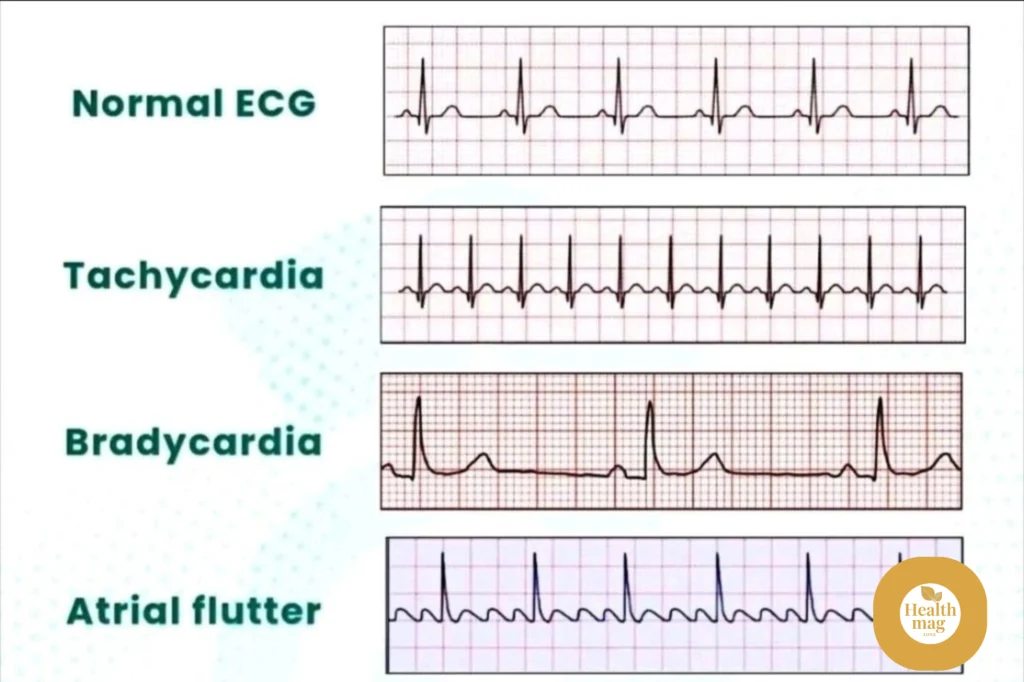
An EKG is one of the most important tools that doctors use to diagnose a heart attack. In fact, it is one of the first tools that doctors use when a patient arrives at the hospital complaining of chest pain or difficulty breathing.
When the heart muscle is damaged, it can affect the electrical impulses that regulate the heartbeat. An EKG can easily identify these abnormalities and signal to the doctors that something is wrong.
An abnormal EKG reading does not necessarily mean that the heart is permanently damaged. It can also mean that there is a lack of blood flow to the coronary arteries, which is a common cause of heart attacks. An EKG can also identify irregular heartbeats, also known as arrhythmias.
When a heart attack is suspected, doctors will often require a blood test. When the heart muscle is damaged, it releases proteins called troponins into the bloodstream. High levels of troponin T or troponin I are often indicative of a heart attack.
Can an EKG Detect a Past Heart Attack?
In some instances, an EKG can indicate that a heart attack occurred in the past, even if it happened several years ago. This is because some irregular patterns may indicate that the heart was injured due to a lack of oxygen.
Not all heart attacks produce noticeable symptoms. In some instances, a person may have a silent heart attack and not know it until a test, such as an EKG, MRI, CT scan, or ultrasound, indicates that the heart was previously injured.
Although an EKG can be used to determine if a heart attack occurred in the past, a doctor would not typically use an EKG as the only test to determine this information. In some instances, an EKG can produce false readings.
Studies conducted on EKG readings and cardiac MRI scans indicated that:
- The EKGs were less than half accurate in detecting previous heart attacks.
- They were more reliable in ruling out people who had not had a heart attack.
- If an EKG indicated a previous heart attack, there was a medium chance that this had actually happened.
- If the EKG indicated no heart attack, the test was not always to be trusted.
Because of this, doctors do not depend solely on an EKG to determine a previous heart attack. It is most useful as a tool in a larger arsenal of tests.
Can an EKG Predict a Future Heart Attack?
An EKG may sometimes indicate a possible increased risk of a future heart attack by showing unusual patterns in your heart’s electrical activity.
Studies have found that EKG-based heart risk scores can be just as accurate, and even more so, than risk scores based solely on a person’s medical history. Research has also found that individuals with blocked arteries or multiple risk factors for a heart attack tend to have abnormal EKG readings.
However, it’s important to note that an EKG is not a very effective method for predicting a future heart attack, particularly in people who are deemed to be at low risk. It is possible to have a normal EKG and still have a heart attack in the future.
One drawback of an EKG is that it is not capable of detecting artery blockages that are not causing any symptoms. For this reason, doctors often use EKG readings in conjunction with other tests to better understand heart health.
Researchers have discovered that by using a combination of multiple tests, the accuracy of heart disease risk prediction can be increased. These tests may include:
- A standard 12-lead EKG to evaluate thickening of the heart muscle
- A coronary calcium scan to evaluate plaque within the heart arteries
- A C-reactive protein (CRP) blood test to evaluate inflammation
- An NT-proBNP blood test to evaluate stress on the heart
- A troponin T blood test to evaluate damage to the heart muscle
What Other Tests Can Detect Heart Attacks?
Several other tests can be used by doctors to determine if a heart attack has occurred in the past or if the heart is healthy:
- Holter monitor: This is a portable machine that monitors the heart’s function for 24 hours or longer.
- Blood tests: These tests measure the levels of certain chemicals, such as troponin, which can remain high in the body for up to two weeks after a heart attack.
- Coronary CT angiogram: This test uses contrast dye and X-rays to visualize blood flow in the heart’s arteries.
- Cardiac catheterization: This test involves inserting a thin tube into the heart to visualize blood flow using contrast dye.
- Echocardiogram: This is an ultrasound test that measures the heart’s pumping function.
- MRI: This is a detailed test that uses imaging to show areas of the heart with poor blood flow or damaged tissue.
What Is a Silent Heart Attack?
A silent heart attack occurs with few or no symptoms. Since there are no symptoms, many people do not know that they have had a heart attack. This can lead to a higher risk of having another heart attack, heart failure, or even death.
When symptoms do occur, they can be mild, like fatigue, a slight chest discomfort, an indigestion-like pain, or a flu-like sensation.
Silent heart attacks are a result of decreased blood flow to the heart, just like a regular heart attack.
When Should You Seek Emergency Care?
If you feel like you are having a heart attack or if you have already had one, call for emergency care right away. This will help limit the damage to your heart.
Call for emergency care if you notice the following symptoms:
- Chest pain or pressure for more than a few minutes
- Pain radiating to your jaw, neck, back, or arms
- Shortness of breath
- Dizziness or lightheadedness
- Weakness or faintness
Read Also: Improving Your Heart Health
Key Takeaway
An EKG can be used to identify possible indicators of a previous heart attack by analyzing irregular heart patterns. But it is most effective when used in conjunction with blood work and imaging studies to prevent false readings.
Although EKGs may provide some insight into possible future heart attacks, they are not entirely accurate on their own.
If you ever experience a possible heart attack, do not delay seeking medical attention. It could be the difference between life and death.