Hot flashes symptoms of cancer are a concern for women undergoing treatments that affect hormone levels. Hot flashes symptoms of cancer, are marked by episodes of flushing, sweating, and heat waves that can persist for several minutes or even longer.
Hot flashes symptoms of cancer identification is necessary since they can affect sleep, mood, and life. Hot flashes symptoms of cance,r are usually accompanied by night sweats and can cause fatigue, anxiety, or distraction during the day.
Learning about hot flashes symptoms of cancer can help women distinguish them from other symptoms of menopause. Understanding hot flashes symptoms of cancer is essential for women undergoing hormone therapy, chemotherapy, or ovary/testes removal surgery.
Hot flashes, symptoms of cancer treatment, can help maintain quality of life. It can also help alleviate emotional pain and allow for better management of associated health risks.
What Causes Hot Flashes Symptoms of Cancer?
Recent studies have shown that hot flashes may be a symptom of certain health risks. A study published in the November 2024 issue of Menopause showed that hot flashes are associated with a risk of cognitive impairment.
Other studies have shown that women who experience hot flashes may have a risk of cardiovascular disease. However, this is not conclusive. Age at menopause, severity of symptoms, and lifestyle factors are also considered.
Hot flashes are symptoms of cancer that occur as a result of changes in hormone levels, which cause a sudden feeling of warmth that spreads across the face, neck, and chest regions. Hot flashes symptoms of cancer that occur in groups during the day or night.
Hot flashes may occur during cancer treatment. They are common during treatments for breast, prostate, ovarian, and womb cancers, including hormone therapy, chemotherapy, pelvic radiotherapy, or surgery to remove reproductive organs.
Recognizing patterns of hot flashes symptoms of cancer allows women to do something to reduce the symptoms.
Connection Between Hot Flashes and Health Risks
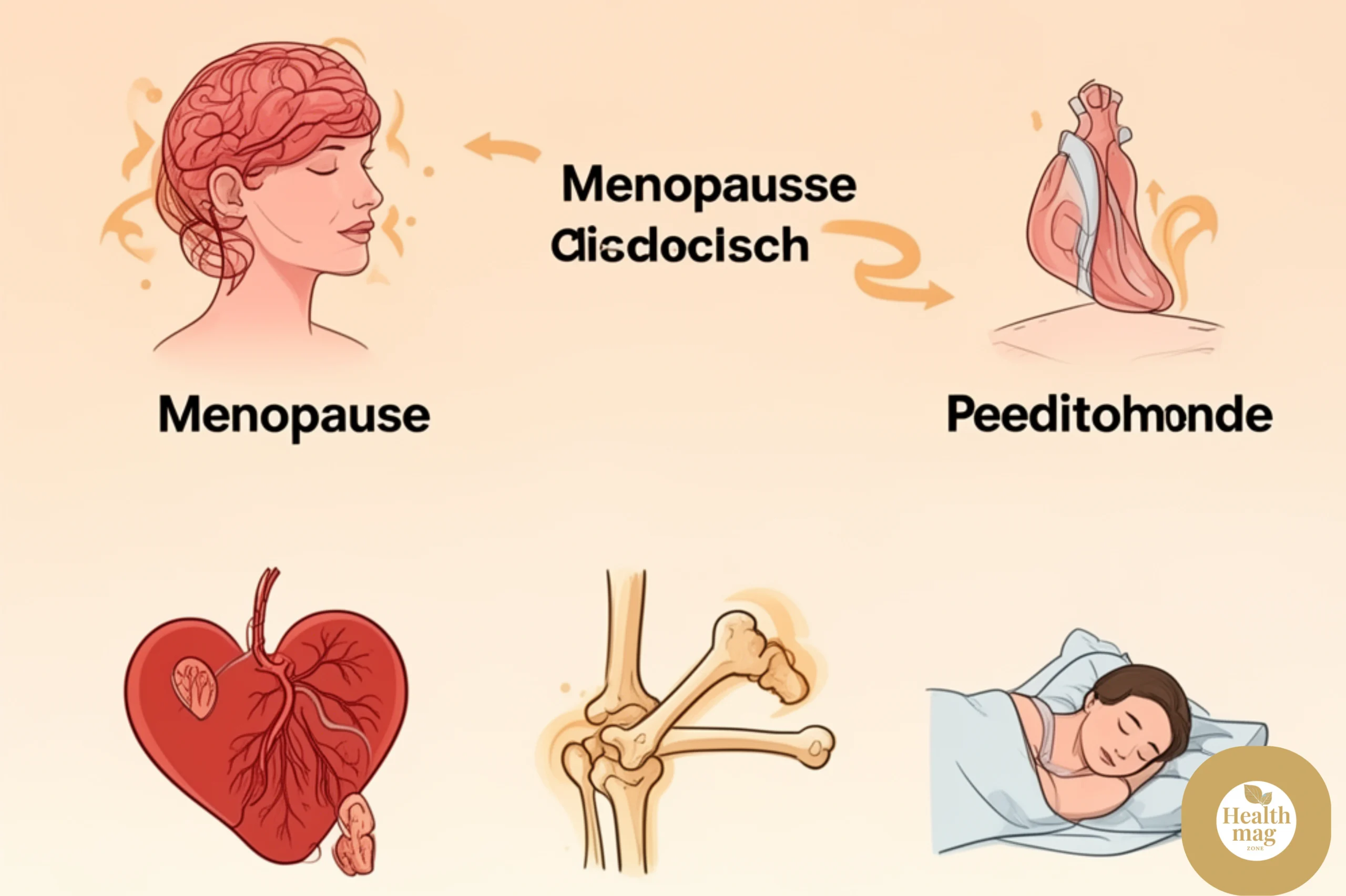
Hot flashes that are regular or severe, even years after menopause or cancer treatment, could be a sign of some health issues. The severity and timing of hot flashes symptoms of cancer are important to understand the response of the body to the symptoms.
Hot flashes that are regular during cancer treatment could be a sign to check the blood pressure, cholesterol, and heart health.
Having good sleep, exercising, and eating a healthy heart diet can help reduce hot flashes and risks to health.
Managing Hot Flashes Symptoms of Cancer
Support and Lifestyle Interventions
Support is an important aspect in managing hot flashes symptoms of cancer. These symptoms can affect moods, relationships, and treatment adherence.
Support can come in the form of counseling, support groups, or seeking advice from professionals who are knowledgeable about symptoms of menopause and treatment. Education and strategic management can help reduce physical discomfort and emotional distress.
Creating a Comfortable Environment
Practical steps can be experienced when treating the symptoms of hot flashes of cancer. Having a fan, wearing light materials, and drinking cold water can immediately relieve symptoms.
Using layered bedding, cold pillows, and a cool bedroom can relieve symptoms at night. Avoiding spicy foods, alcohol, and caffeine before sleeping can also relieve symptoms of night sweats. Mindfulness and relaxation can relieve symptoms of hot flashes of cancer.
Conclusion
Symptoms of hot flashes in cancer are not just a momentary discomfort but also a sign of hormonal and physiological changes that need attention. Awareness about the causes, patterns, and ways to control them can make a world of difference.
Through lifestyle changes, alternative therapies, or conventional therapies, women can control their symptoms of hot flashes in cancer. Monitoring symptoms and being informed is empowering women to undergo cancer treatment and menopause